
Disclosure: This post contains affiliate links. If you buy through them, we may earn a small commission at no extra cost to you. It never changes our advice.
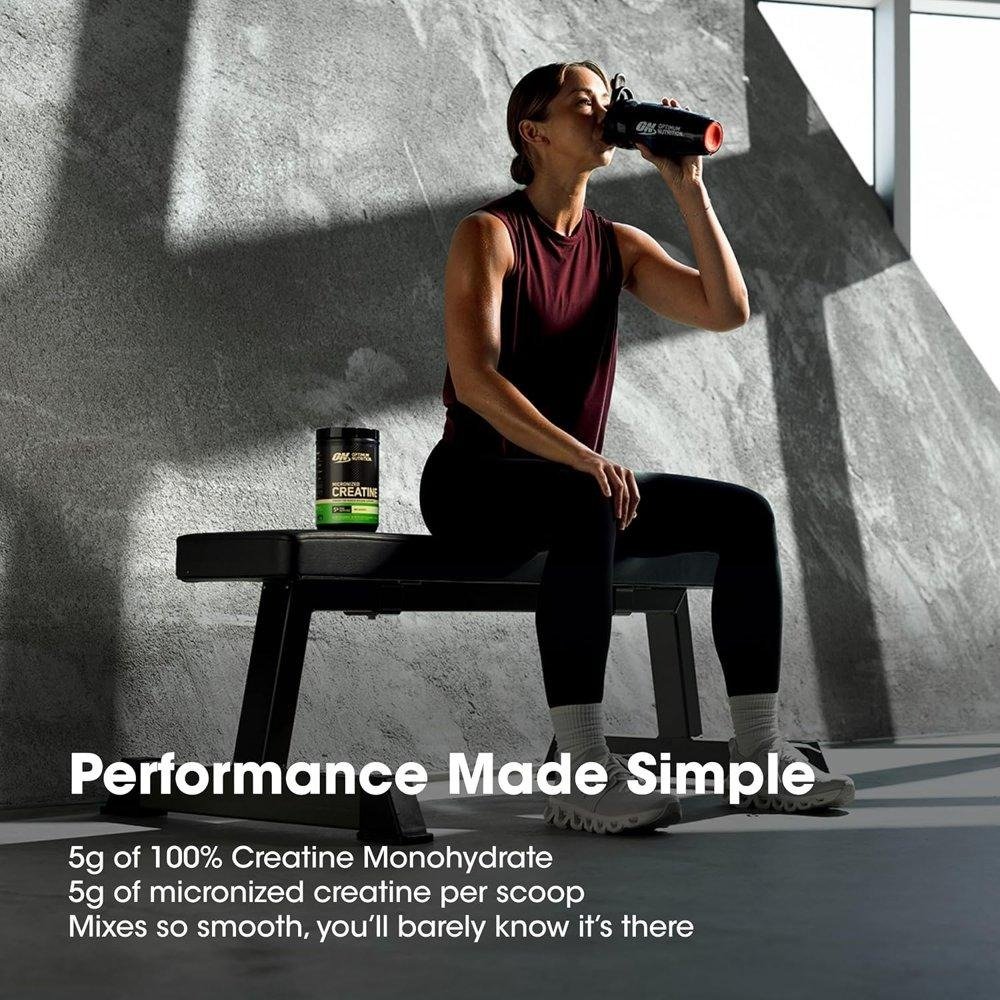
Image: Optimum Nutrition
If you could only take one supplement to support strength and muscle, most sports nutrition researchers would point to creatine. It’s one of the most studied supplements in the world, it’s inexpensive, and it works for a wide range of people.
What is creatine?
Creatine is a compound your body makes naturally, and you also get small amounts from red meat and fish. About 95% is stored in your muscles, where it helps regenerate ATP, the molecule your cells use for quick bursts of energy. Supplementing raises your muscle creatine stores, which helps in short, intense efforts like lifting, sprinting, and jumping.
What are the benefits?
- More strength and power. Studies consistently show small to moderate gains.
- Better muscle growth over time when combined with resistance training.
- Improved recovery. Some research suggests less fatigue between sets and sessions.
- Possible cognitive benefits. Early research only; the evidence is less certain.

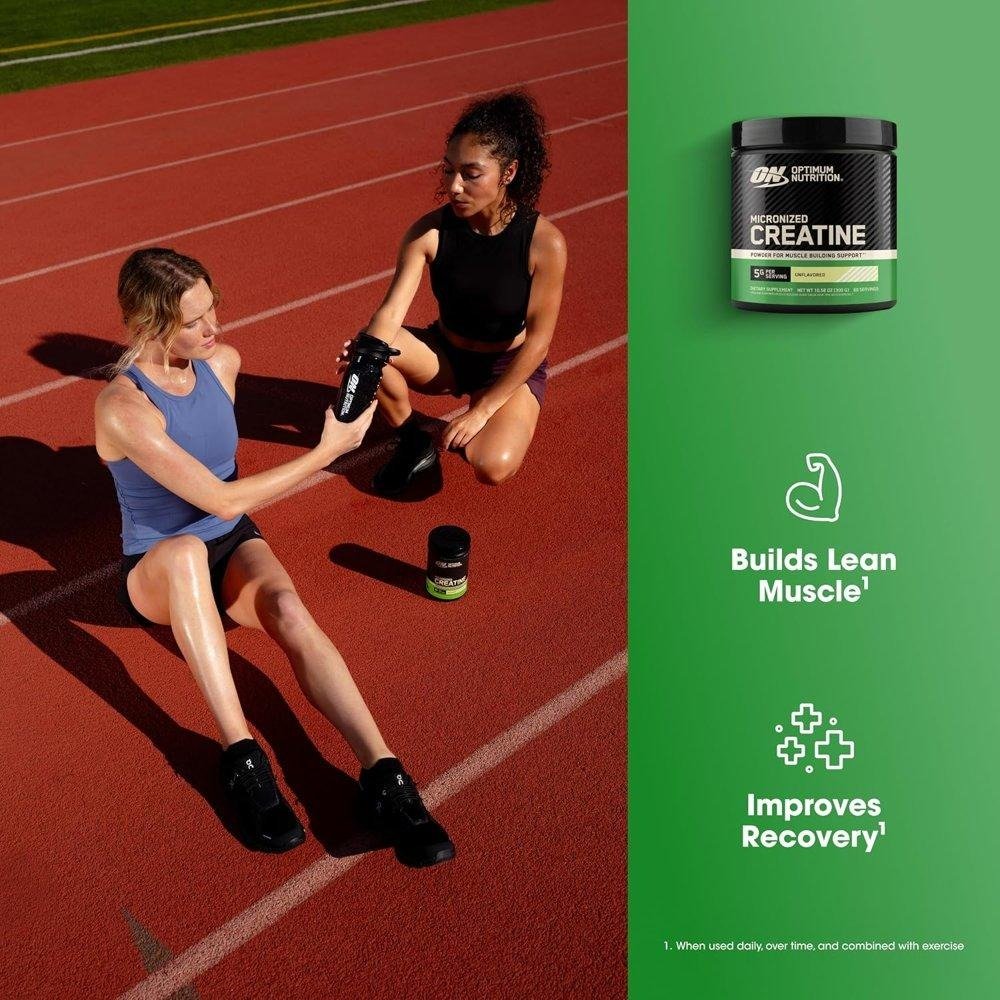
Image: Optimum Nutrition. Benefits apply when used daily, over time, and combined with exercise.
Creatine is not magic. It won’t build muscle without training and enough protein, and results vary from person to person.
Which type should you buy?
Creatine monohydrate has by far the most research behind it and is usually the cheapest. Forms like HCl, ethyl ester, and buffered creatine are heavily marketed but haven’t been shown to work better. A plain option like Optimum Nutrition Micronized Creatine keeps it simple.
What to look for:
- Creatine monohydrate as the only active ingredient.
- Third-party testing, such as NSF Certified for Sport or Informed Sport, especially if you compete in tested sports.
- A clear serving of about 3 to 5 grams.
- No proprietary blends that hide the amount.
Our pick
Optimum Nutrition Micronized Creatine Powder
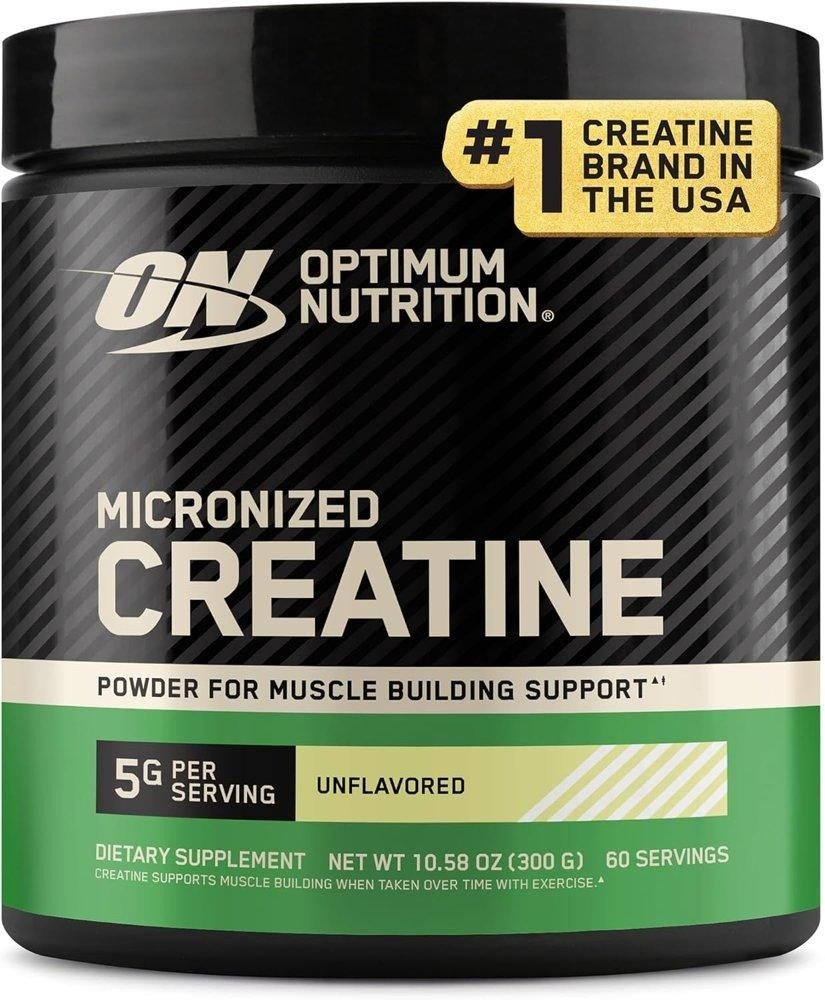
Image: Optimum Nutrition
Unflavored creatine monohydrate with 5 g per serving, sold in 60-serving (300 g) and 120-serving (600 g) tubs. Micronized powder mixes easily into water or a protein shake.
Check price · View on the product page
How to take creatine
- Daily dose: 3 to 5 grams of monohydrate, every day, including rest days.
- Loading (optional): About 20 g a day, split into 4 doses, for 5 to 7 days saturates muscles faster. Skipping it and taking 3 to 5 g daily gets you to the same place in about 3 to 4 weeks.
- Timing: Matters much less than consistency. Take it whenever you’ll remember.
- Mixing: Dissolves in water, juice, or a protein shake.
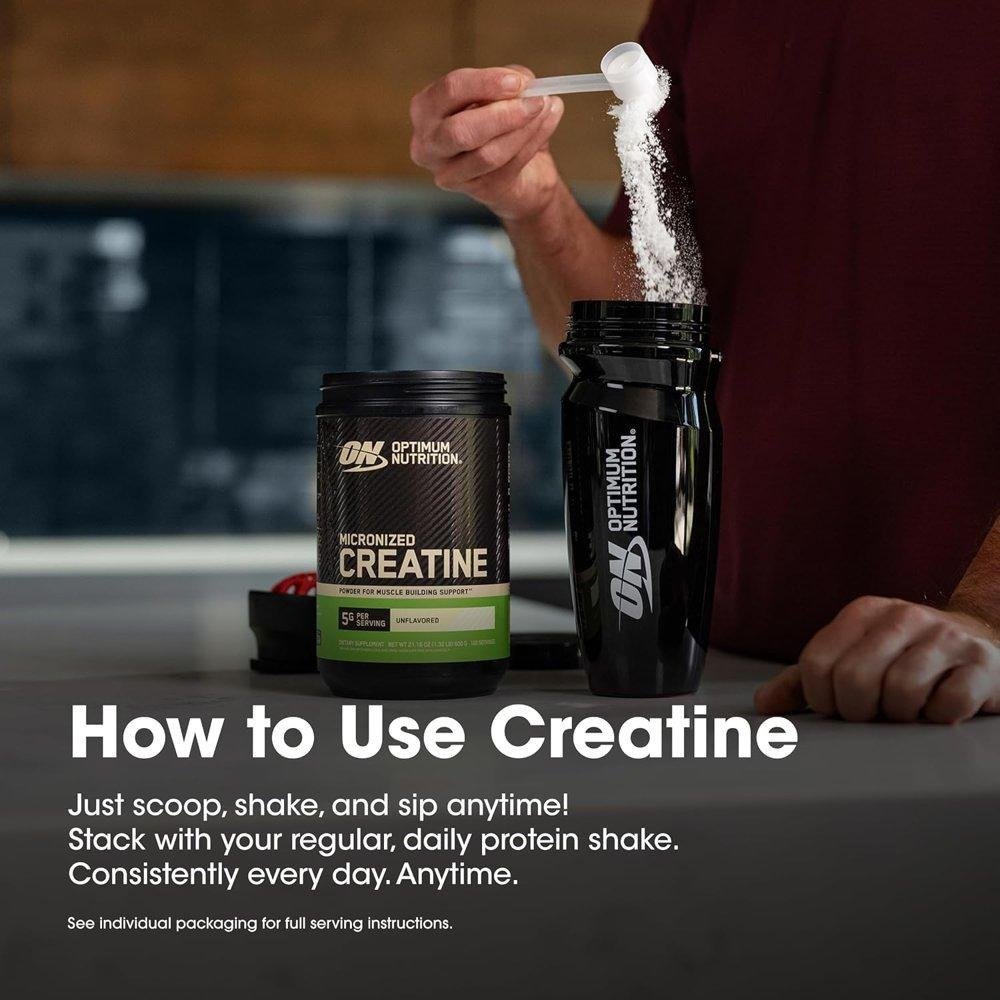
Image: Optimum Nutrition. Check the packaging for full serving instructions.
Ready to start? A 60-serving tub covers about two months at 5 g a day. See today’s price
Is it safe? Common questions
Does creatine damage the kidneys?
In healthy people, studies at recommended doses haven’t shown kidney damage. If you have kidney disease or another medical condition, talk to your doctor first.
Will it make me bloated?
Creatine can pull a little water into your muscles, and some people gain 1 to 2 kg early on. This is mostly water inside the muscle, not fat.
Does it cause hair loss?
One small study raised the question, but the evidence is limited and a link hasn’t been confirmed.
Is it only for men?
No. Studies show women benefit as well.
Are there side effects?
Some people get stomach discomfort with large single doses. Splitting the dose or taking it with food usually helps.
The bottom line
For most healthy adults who train, creatine monohydrate at 3 to 5 grams a day is a safe, cheap, and well-supported way to improve strength and muscle gain. Choose a plain, third-party-tested product, take it consistently, and pair it with good training, protein, and sleep.
Our pick for a simple, no-frills start: Optimum Nutrition Micronized Creatine. Check price
This article is for general information only and isn’t medical advice. Talk to your doctor or a registered dietitian before starting any supplement, especially if you have a medical condition, take medication, are pregnant or breastfeeding, or are under 18.