


Disclosure: This post contains affiliate links. If you buy through them, we may earn a small commission at no extra cost to you. It never changes our advice.
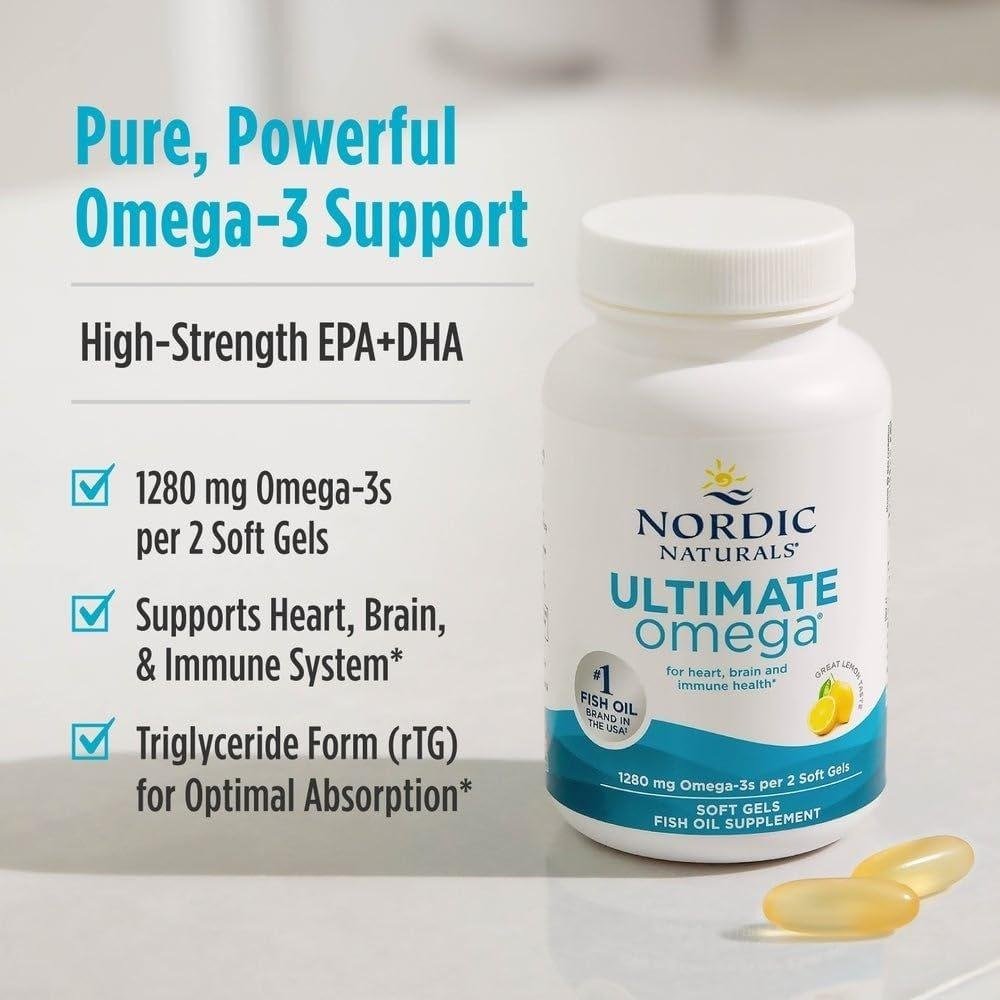
Image: Nordic Naturals
Fish oil is one of the best-selling supplements in the world, but the research on it is more nuanced than the marketing. Who actually benefits from omega-3 supplements, how much do you need, and how do you pick a good one? Here is a clear guide, including how to choose a quality fish oil supplement .
What are omega-3s?
Omega-3s are essential fats your body cannot make on its own. The three main types are EPA and DHA, found mainly in fish and algae, and ALA, found in flaxseed, chia, and walnuts. Your body converts only a small amount of ALA into EPA and DHA, so if you want EPA and DHA, you need to eat fish or take a supplement.
Possible benefits (and what the evidence says)
- Triglycerides. High doses lower blood triglycerides, usually under a doctor’s supervision.
- Heart health. Eating fish is linked to better heart health. Large trials of over-the-counter fish oil in the general population have mostly shown little benefit for preventing heart disease, while a purified prescription EPA product did help certain high-risk patients. Ask your doctor.
- Pregnancy and early life. DHA plays a role in fetal brain and eye development, and some guidelines recommend it in pregnancy. Talk to your doctor or midwife.
- Joints and inflammation. Some people with rheumatoid arthritis see modest benefits.
- Mood, brain, and eyes. Results are mixed, and supplements are not a treatment for any condition.
Food first: where omega-3s come from
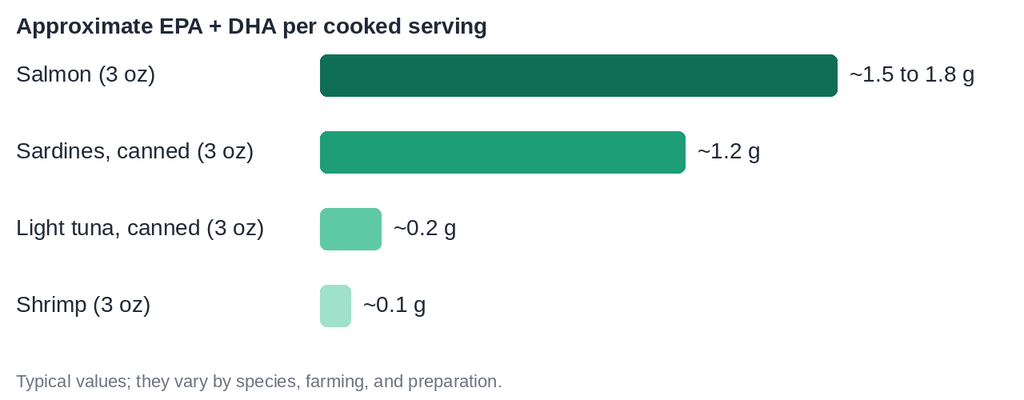
Approximate EPA + DHA per 3 oz cooked serving. Values vary.
Health organizations commonly suggest eating fatty fish about twice a week. If you rarely eat fish, a supplement can help fill the gap.
Looking for a quality omega-3? Compare options side by side. Browse top-rated omega-3 supplements
How much do you need?
There is no official daily requirement for EPA and DHA, but many experts suggest about 250 to 500 mg of combined EPA and DHA per day for general health. The FDA has said that up to 3 g a day of EPA and DHA combined is generally recognized as safe, with no more than 2 g a day from supplements. Higher doses should only be taken under medical supervision. Note that the label total of omega-3s is not the same as EPA plus DHA, so check the specific amounts.
How to choose an omega-3 supplement
- EPA and DHA amounts, not just the total fish oil or total omega-3.
- Form: natural triglyceride and re-esterified triglyceride (rTG) forms are common; ethyl esters are often cheaper. Evidence on absorption differences is limited, and taking it with a meal helps in any case.
- Freshness and purity testing: look for third-party testing and the brand’s publicly available test reports (for example IFOS or a similar program).
- Sustainability certification, if that matters to you.
- Vegan option: algae oil provides DHA and sometimes EPA without fish.
- Price per serving of EPA + DHA, not price per bottle. Compare options here .
Our picks
Replace the bracketed placeholders with products you have verified (EPA and DHA per serving, form, price, testing).
Best overall: Nordic Naturals Ultimate Omega (lemon)
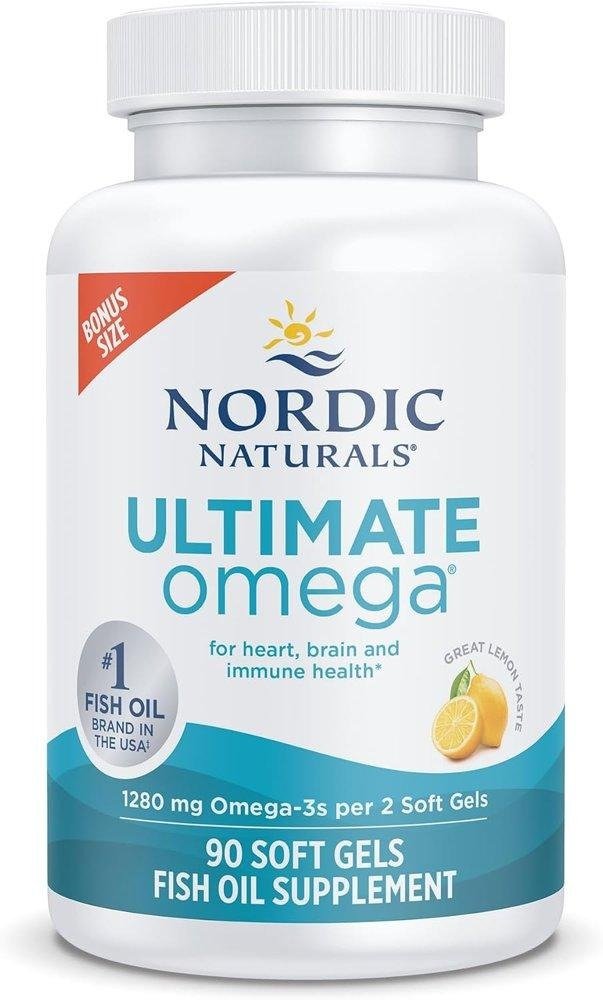
Image: Nordic Naturals
The label says this fish oil supplement provides 1,280 mg of omega-3s per 2 soft gels, in 90-soft-gel bottles (45 servings), with a lemon flavor. The listing says it uses the triglyceride form (rTG) for absorption, which is a manufacturer claim. The images do not show the separate EPA and DHA amounts, so check the label for them. Check price

Manufacturer claims. Look for the brand’s published test reports. Image: Nordic Naturals.
The brand lists wild-caught fish, sustainability certification, non-GMO testing, and third-party purity testing on the listing. These are the manufacturer’s claims, so look for the brand’s published test results if purity matters to you. The statements on the label have not been evaluated by the FDA, and the product is not intended to diagnose, treat, cure, or prevent any disease.
Best vegan option: [Product B, algae omega-3]
[DHA and EPA per serving, price per serving.] Check price
Best budget: [Product C]
[EPA and DHA per serving, form, price per serving.] Check price
Not sure which dose is right for you? Ask your doctor or pharmacist, then compare options. See top-rated omega-3 supplements
Side effects and who should be careful
Common side effects are a fishy aftertaste, burping, and stomach upset, which taking it with food usually reduces. Higher doses (around 1 g a day or more of EPA and DHA) have been linked to a higher risk of atrial fibrillation in some trials. Omega-3s may also increase bleeding risk slightly, so talk to your doctor if you take blood thinners, have a bleeding disorder, or are scheduled for surgery. People with fish or shellfish allergies should read labels carefully and ask a doctor, and anyone who is pregnant or breastfeeding should check with their doctor before choosing a product.
FAQ
Are omega-3 supplements worth taking?
They can help if you rarely eat fish or your doctor recommends them. For most healthy people who eat fish regularly, they are optional.
What is the best time to take fish oil?
Any time, with a meal that contains some fat, which helps absorption and reduces fishy burps.
Fish oil vs. omega-3: what is the difference?
Fish oil is one source of omega-3s. Omega-3s are the fats (EPA and DHA), and they are also found in algae oil and, as ALA, in plants.
How long does it take to work?
It varies by goal. Blood levels rise within weeks, but other effects may take months and are not guaranteed.
The bottom line
Eat fatty fish when you can, and consider a supplement if you rarely do or your doctor advises it. Choose a product with clear EPA and DHA amounts and third-party testing, and keep doses within recommended limits. Compare omega-3 supplements here
This article is for general information only and isn’t medical advice. Talk to your doctor or a registered dietitian before starting any supplement.