
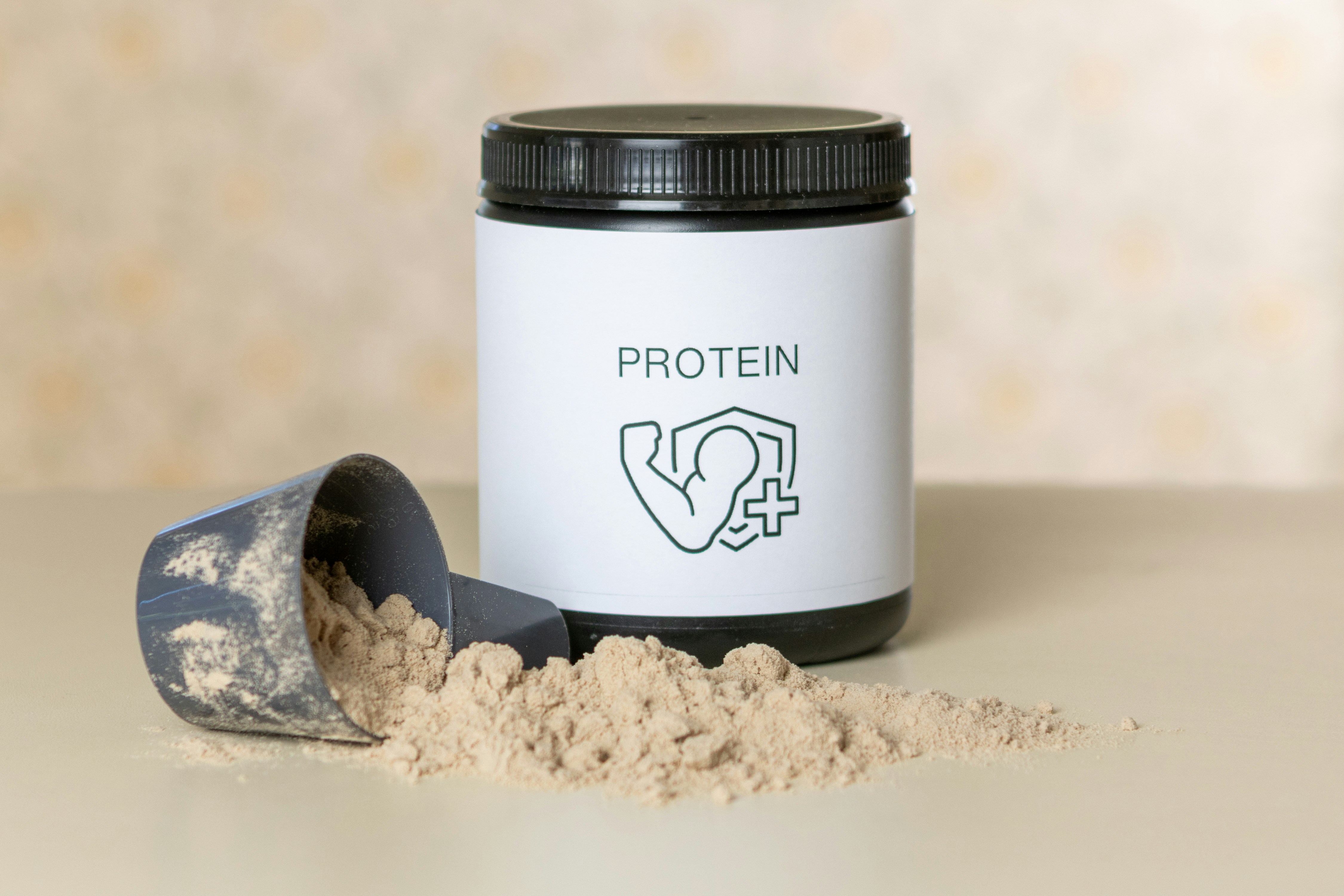
Whey protein is a concentrated source of protein derived from milk during the cheese-making process. It is commonly available as whey concentrate, isolate, or hydrolysate, with differences in protein content, processing, and digestibility. Because it mixes easily and can be consumed quickly, whey is often included in weight-management plans as a convenient way to increase protein intake without adding a large number of calories.
One reason whey is considered a high-quality protein is that it contains all nine essential amino acids, which the body cannot produce on its own. It is particularly rich in leucine, an amino acid that helps stimulate muscle protein synthesis when an appropriate amount of protein is consumed. This characteristic can be useful during a calorie deficit, when the body has less energy available and may otherwise break down some lean tissue for fuel. Resistance training, adequate overall nutrition, and sufficient daily protein remain important, but whey can help support these goals.
Protein may also assist weight control through several mechanisms. Compared with meals dominated by refined carbohydrates or fats, protein often produces greater and longer-lasting fullness. A whey shake or protein-rich snack may therefore reduce hunger between meals and make it easier to maintain a reduced-calorie eating pattern. Protein also has a higher thermic effect of food, meaning the body uses more energy to digest, absorb, and process it than it typically uses for carbohydrate or fat. These effects are supportive rather than dramatic, but they can contribute to adherence over time.
Whey protein does not directly burn body fat, and adding it to an otherwise excessive-calorie diet will not produce weight loss. Its potential value comes from helping people reach protein targets, preserve lean muscle, and manage appetite while consuming fewer calories overall. Portion size and the ingredients added to a shake still matter, since syrups, full-fat dairy, or large quantities of nut butter can substantially increase its energy content.
An illustrative photo could show a whey shake alongside fruit, oats, and a few nuts, reinforcing that protein powder works best as part of a balanced meal or snack rather than as a standalone fat-loss solution.
Nutrition research suggests that whey protein can support weight-management efforts, but its effects depend largely on the broader diet. Protein is generally more satiating than carbohydrate or fat, and increasing protein intake may help people feel fuller, reduce later food intake, and preserve lean tissue during a calorie deficit. Whey is particularly practical because it is rapidly digested, widely available, and provides all essential amino acids, including leucine, which helps stimulate muscle-protein synthesis. These qualities may make it useful during weight loss, especially when paired with resistance training.
Some studies report that whey supplementation improves fullness, supports better muscle retention, or produces modest improvements in body composition compared with lower-protein diets. However, other trials find little or no additional fat loss when whey is added to a diet that already supplies adequate protein. A shake does not automatically increase energy expenditure or cause body fat to disappear. If it contributes extra calories on top of regular meals, it may reduce or eliminate any potential calorie deficit. By contrast, replacing a calorie-dense snack, sugary drink, or less filling convenience food with a measured whey serving may improve diet quality and make calorie control easier.
Differences between studies often reflect total calorie intake, participants’ starting protein consumption, exercise habits, and research duration. People consuming too little protein may benefit more from supplementation than those already meeting their needs through ordinary foods. Resistance exercise can also strengthen the effect by encouraging the body to retain muscle while losing fat, whereas whey alone is unlikely to substantially change body composition. Short studies may detect changes in appetite or weight without showing lasting fat reduction, and individual responses vary according to food preferences, adherence, age, and body size. Overall, whey is best viewed as a convenient protein source that can support a well-planned calorie-controlled diet, not as a standalone weight-loss treatment.
Whey protein can support a weight-loss plan when it helps you meet your protein needs without pushing daily calories above your target. It is not an automatic addition to every meal. First, estimate how much protein you need based on factors such as body weight, activity level, age, and overall health. Then consider how much protein your regular meals already provide. A registered dietitian or another qualified health professional can help establish an appropriate target, particularly if you have a medical condition or specific dietary requirements.
A serving may be useful as a replacement for a calorie-dense snack, as part of breakfast, or after resistance training when a convenient source of protein is needed. For example, a shake can replace pastries or an oversized snack, provided its calories fit your plan. When using it as a meal or substantial smoothie, combine the powder with nutrient-dense ingredients such as fruit, vegetables, oats, unsweetened milk, or Greek yogurt. This provides fiber, vitamins, minerals, and greater fullness. Shakes should complement a varied diet rather than displace balanced meals regularly.
Read the nutrition label before choosing a product. Compare serving size, calories, protein per serving, added sugar, and fat, and check whether several scoops are required to reach the stated protein amount. Ingredients such as fillers, flavoring agents, and sugar alcohols may affect taste, digestion, or calorie content. A product with a simple formula is not automatically superior, but transparency makes it easier to track what you consume.
Whey concentrate generally costs less and retains more lactose and some naturally occurring milk components. Whey isolate is more extensively filtered, typically provides a higher proportion of protein, and usually contains less lactose, which may suit people with limited lactose tolerance. Hydrolyzed whey is partially broken down and may be easier for some individuals to digest, although it often costs more and is not essential for everyone. Choose according to tolerance, budget, dietary preferences, and convenience. If bloating, cramps, or other symptoms occur, stop using the product and seek professional advice.
Whey protein is not automatically a weight-loss food. A large shake can contain substantial calories, particularly when it includes whole milk, nut butter, fruit, sweeteners, or multiple scoops. Drinking it in addition to regular meals may erase the calorie deficit needed for fat loss. Portion size and the product’s complete nutrition label therefore matter more than the protein powder’s health claims.
Digestive discomfort is another possible drawback. Some people experience bloating, gas, cramps, or diarrhea after consuming whey, especially products containing lactose or sugar alcohols. Individuals with lactose sensitivity may tolerate whey isolate better than whey concentrate, because isolating removes much of the lactose, although tolerance varies. People with a milk allergy should avoid whey altogether, since it is derived from milk and may trigger an immune reaction.
Consumers should also examine ingredient lists carefully. Some products contain unnecessary stimulants, high amounts of caffeine, herbal blends, or sweeteners that can cause side effects. Marketing may promise rapid fat burning, but a supplement that fills a nutritional gap is different from a product with exaggerated claims. Whey may make it easier to reach a protein target or replace a higher-calorie snack; it does not independently accelerate fat loss.
Anyone with kidney disease, liver or metabolic conditions, pregnancy-related concerns, or medication and dietary restrictions should consult a healthcare professional before substantially increasing protein intake. Professional guidance is also sensible when an existing diet is medically prescribed. Overall, whey can support weight loss when it helps control calories, meet protein needs, and preserve muscle during a calorie deficit. Results still depend on the broader pattern: nutritious meals, regular physical activity, adequate sleep, and a sustainable approach that can be maintained over time.