


Disclosure: This post contains affiliate links. If you buy through them, we may earn a small commission at no extra cost to you. It never changes our advice.
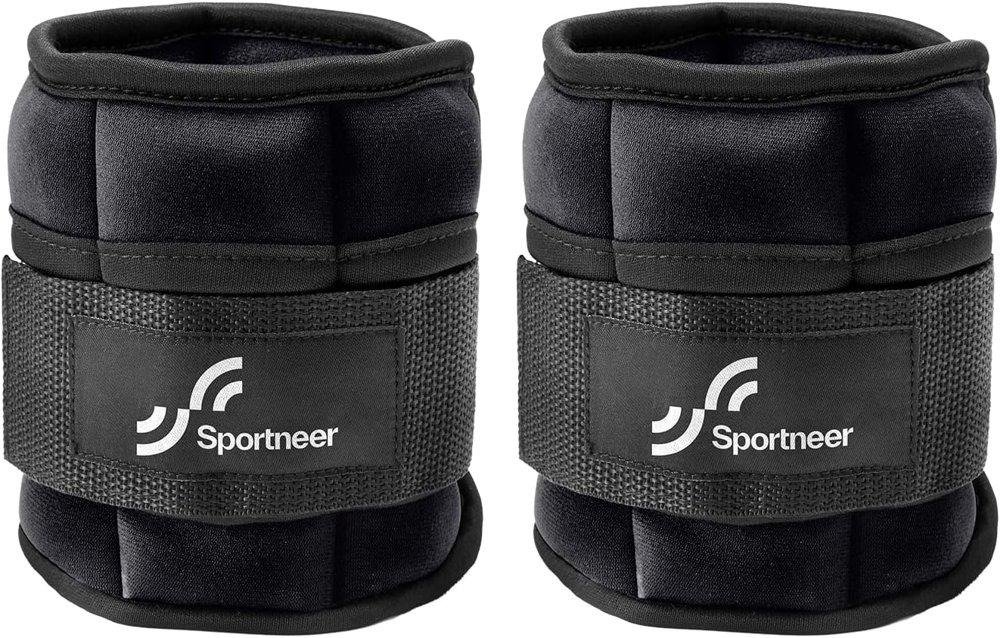
Image: Sportneer
Adding weight to your workouts is one of the simplest ways to make exercises harder, and ankle weights are a popular, low-cost way to do it at home. But do they actually work, are they safe, and how heavy should they be? Here is a practical guide, plus how to choose a good pair of adjustable ankle weights .
What are ankle weights good for?
Ankle weights add resistance to leg movements, so your hip and glute muscles work harder against gravity. They are most useful for controlled, low-impact exercises:
- Side-lying and standing leg raises
- Glute kickbacks and donkey kicks
- Standing hip abduction and extension
- Pilates, barre, and some physical therapy exercises
They can help you progress when bodyweight exercises feel too easy, especially for the glutes and hips. They are not a magic tool: you cannot burn fat from one area of your body, and results still depend on overall training, nutrition, and consistency.
Are ankle weights safe? Risks to know
Used correctly, they are generally safe for healthy adults. The main risks come from using them in the wrong way:
- Running, jumping, and fast walking. The extra weight at the end of your leg changes your stride and can strain the knees, hips, ankles, and lower back. Most trainers and physical therapists advise against it.
- Wearing them all day. Constant extra load can fatigue joints and muscles.
- Going too heavy too soon. Swinging a heavy weight can irritate joints or pull a muscle.
- Existing joint, back, or circulation problems. Ask a doctor or physical therapist first.
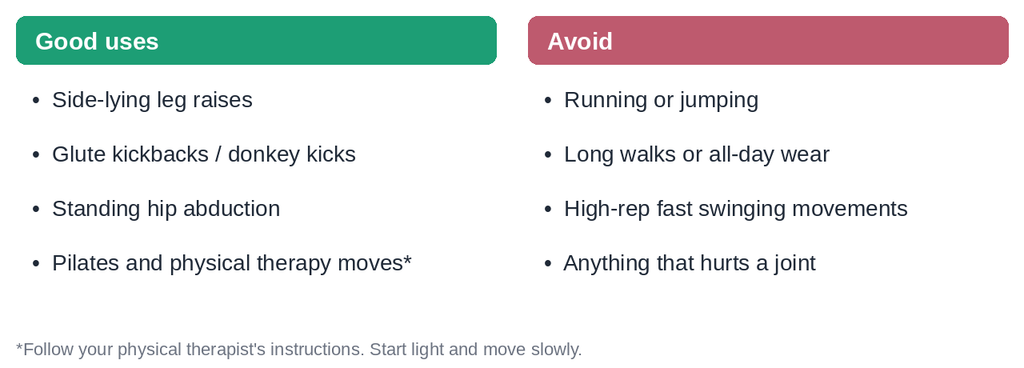
Good uses and activities to avoid.
Want to compare ankle weights by weight, fit, and price? Browse top-rated ankle weights
How heavy should they be?
Start light: many people begin with about 1 to 2 lb per ankle and increase slowly as the exercise feels easy for 12 to 15 controlled reps. Use slow, controlled movements instead of swinging. If you can only lift the weight with momentum, it is too heavy. Adjustable pairs with removable weight inserts let you add load gradually.
How to choose ankle weights
- Adjustable weight. Removable inserts let you start light and progress.
- Fit. Check the ankle circumference range, and make sure the strap is long enough for your ankle. See ankle weights with long straps .
- Secure closure. A wide Velcro strap with a metal D-ring or buckle helps keep the weight from shifting.
- Comfort. Soft, breathable material that does not rub your skin.
- Weight and pairing. Check whether the listed weight is per ankle or for the set.
Our picks
Replace the bracketed placeholders with products you have verified (weight options, size range, price).
Best adjustable option: Sportneer Adjustable Ankle Weights
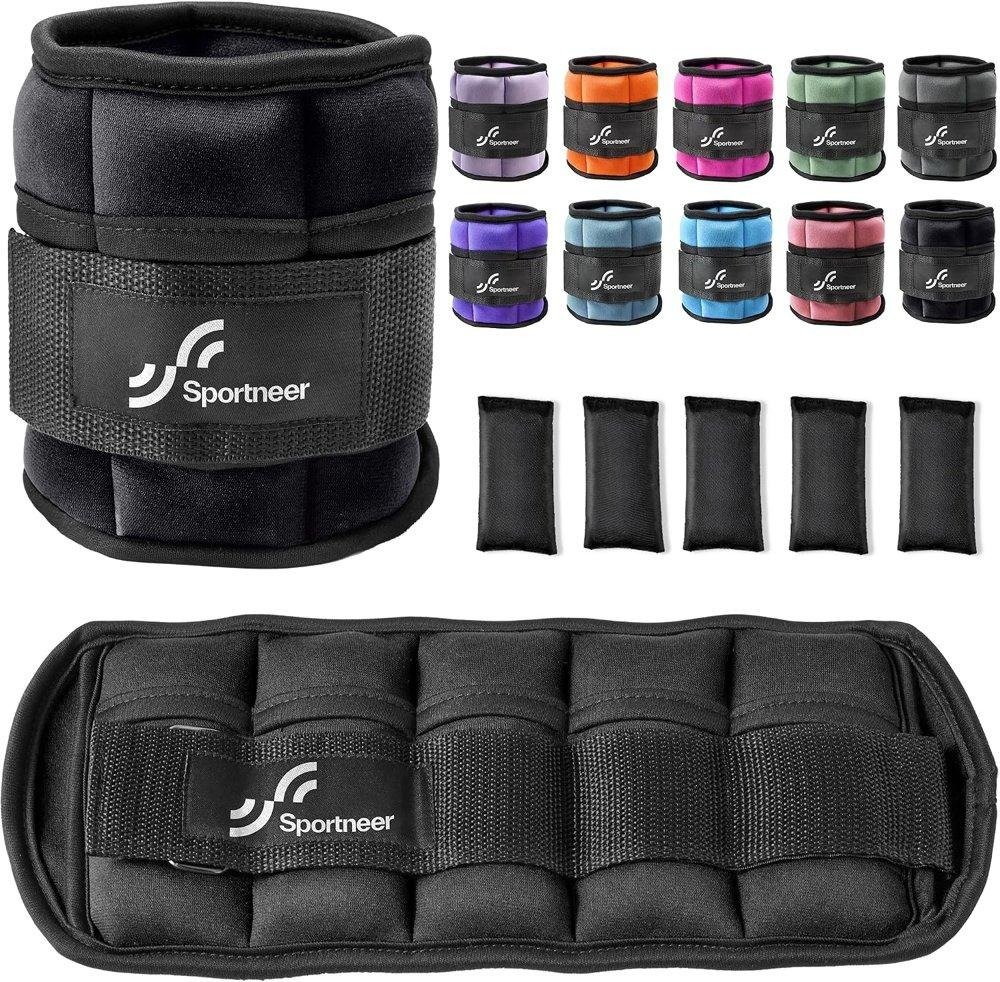
Image: Sportneer
The listing shows a pair of padded ankle weights with removable weight inserts, a wide Velcro strap, and many color options. One of the images labels the set as 5 lb per weight, 10 lb for the set, and the material is described as soft and breathable. Because 5 lb per ankle is heavy for beginners, check how many inserts you can remove to start lighter and what weight increments are available. Check price
Image: Sportneer
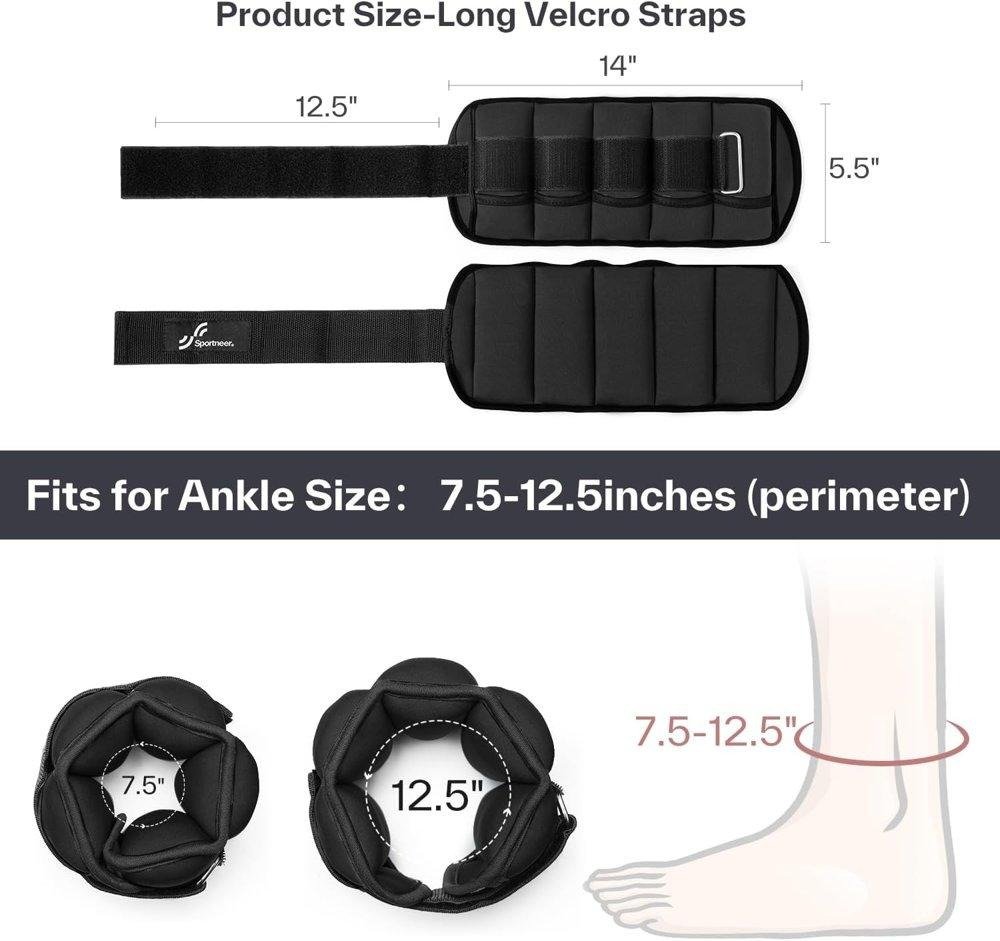
Sizing information from the product listing. Image: Sportneer.
The sizing graphic says the straps fit ankle circumferences of about 7.5 to 12.5 inches. Measure around your ankle before you order, and check the listing for the current weight options and return policy.
Best lighter set for beginners: [Product B]
[Weight per ankle, size range, price.] Check price
Best budget: [Product C]
[Weight per ankle, size range, price.] Check price
Start light, focus on form, and increase the weight gradually. See top-rated ankle weights
A simple ankle-weight routine
- Side-lying leg raise: 2 sets of 12 to 15 reps per leg.
- Glute kickback (on hands and knees): 2 sets of 12 to 15 reps per leg.
- Standing hip abduction: 2 sets of 12 reps per leg, holding a chair for balance.
- Rest 30 to 60 seconds between sets, 2 to 3 times a week.
FAQ
Do ankle weights help you lose weight?
They can add a little effort to exercise, but there is no evidence that they burn fat from your legs specifically. Overall training and diet matter most.
Can I walk with ankle weights?
It is usually not recommended, because extra weight on the ankles can change your gait and stress your joints. Use them for controlled, low-impact exercises instead.
How heavy should my ankle weights be?
Start with about 1 to 2 lb per ankle and progress slowly.
How often should I use them?
Two to three times a week, with rest days between sessions for the same muscles.
The bottom line
Ankle weights are a simple, affordable way to add resistance to hip and glute exercises, if you keep them light, use them for controlled low-impact moves, and avoid running or all-day wear. Choose an adjustable pair that fits your ankles. Compare ankle weights here
This article is for general information only and isn’t medical advice. Talk to your doctor or physical therapist before starting a new exercise program, especially if you have joint, back, heart, or circulation problems or are pregnant.