

Disclosure: This post contains affiliate links. If you buy through them, we may earn a small commission at no extra cost to you. It never changes our advice.
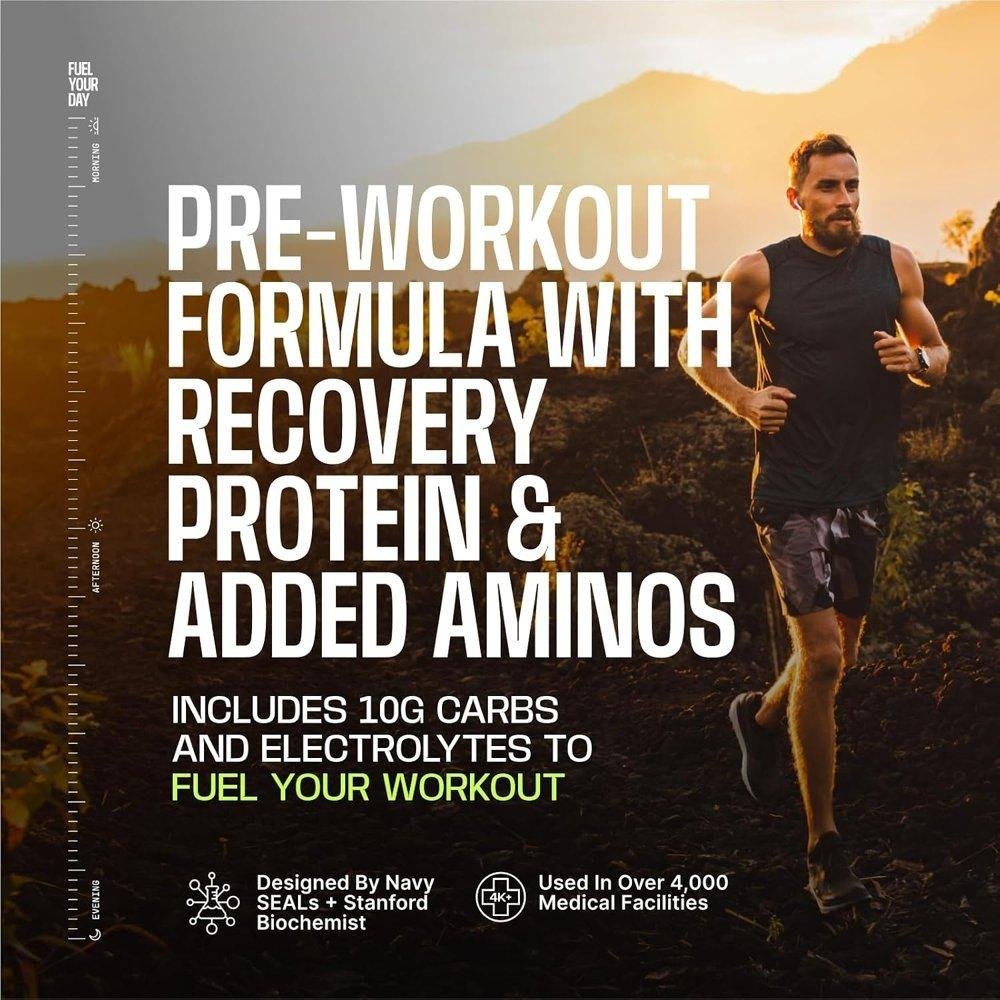
Image: Frog Fuel
Hit the wall at kilometer 30, or cramp up in the last hour of a ride? The problem is often fuel and fluids. Electrolytes and energy gels are two simple tools that help, but only if you use them at the right time and in the right amounts. Here is what the evidence says, and how to choose the best energy gels and electrolyte products.
Do you really need electrolytes?
Electrolytes are minerals such as sodium, potassium, magnesium, and chloride that you lose in sweat. For workouts under about an hour, water is usually enough. Electrolytes start to matter in long or hot sessions, or if you are a heavy or salty sweater. Sodium is the main one: sweat sodium varies a lot between people, and general guidance for endurance exercise is roughly 300 to 600 mg of sodium per hour, adjusted to your sweat rate and conditions.
Drinking only plain water in a very long event can dilute blood sodium. Match your fluids to your thirst and sweat loss rather than drinking as much as possible.
How many carbs from energy gels?
Gels are a fast, portable source of carbohydrate. The longer you go, the more you need.
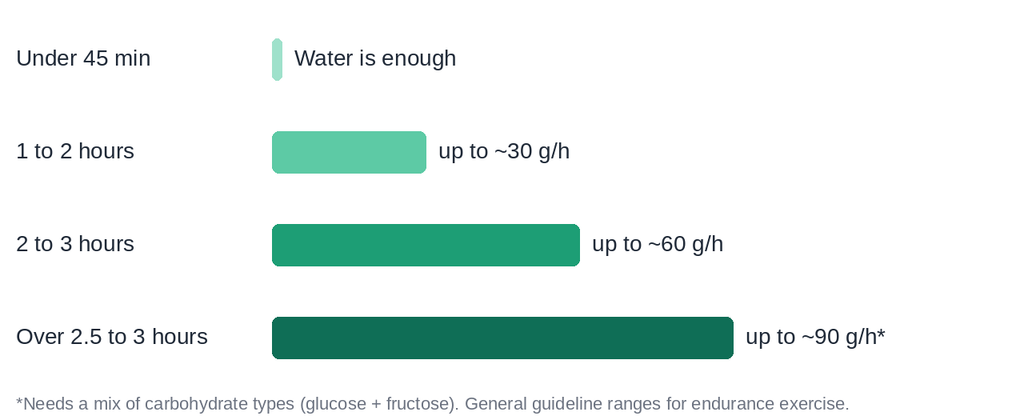
Carbohydrate targets per hour by duration (general sports nutrition guidance; individual needs vary).
Most standard gels contain about 20 to 25 g of carbohydrate, so 2 to 3 gels an hour covers the higher targets. Start fueling early, within the first 30 to 45 minutes, rather than waiting until you feel empty.
Training for a long run or ride? Compare gels and electrolyte drinks side by side. Browse top-rated energy gels
When and how to take them
- Before: a carbohydrate-rich meal 2 to 3 hours before, plus a gel or drink in the final 15 to 30 minutes if you need it.
- During: a gel every 30 to 45 minutes for long efforts, with water. Take electrolytes in your drink or as tablets.
- After: replace fluids and sodium, and add protein and carbs for recovery.
- Practice first. Try your products in training. Gut tolerance is trainable, and race day is the wrong time to experiment.

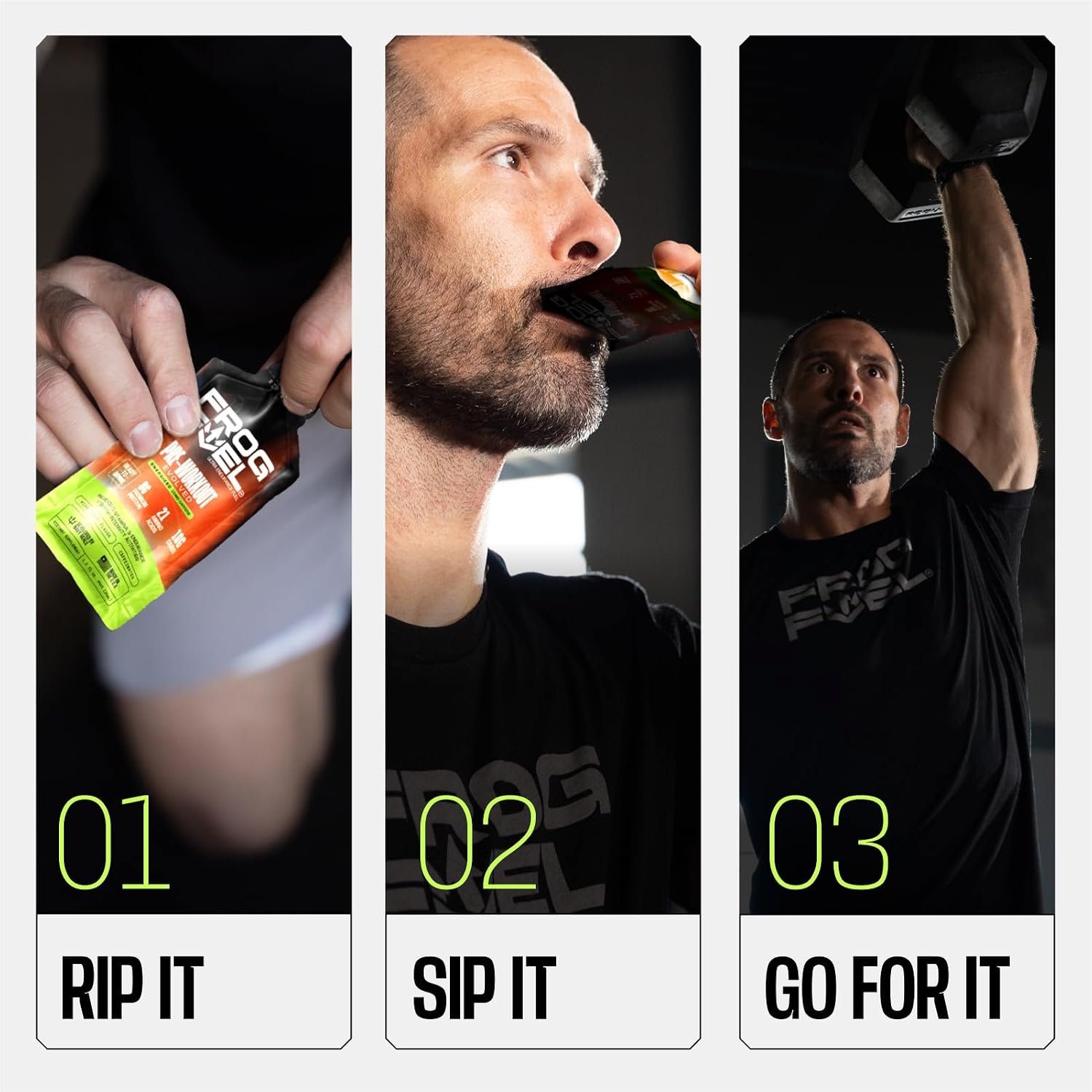
Image: Frog Fuel. The brand suggests one shot before and one every 45 minutes of activity.
How to choose
- Carbs per serving: check that the amount fits your hourly target.
- Sodium per serving: look for a listed amount, not just the word “electrolytes”.
- Caffeine: it helps some people, but it adds up quickly across several servings. See our caffeine guide [INTERNAL LINK].
- Third-party testing, such as NSF Certified for Sport or Informed Sport, for tested athletes.
- Taste and texture: if you cannot stomach it at hour three, it does not matter how good the label looks. Try a variety pack of gels
Our picks
Replace the bracketed placeholders with real products you have verified (label, carbs, sodium, price, testing seal).
Best caffeinated pre-workout shot: Frog Fuel Pre-Workout Evolved
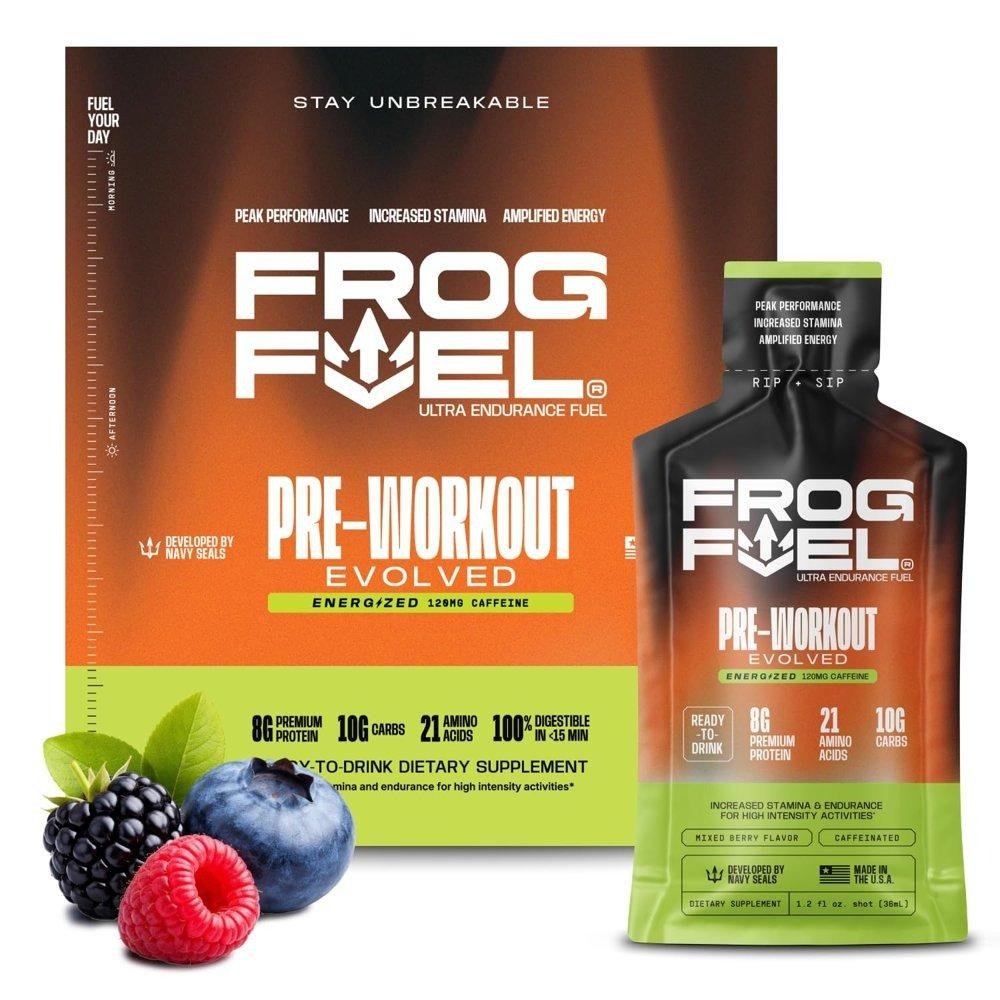
Image: Frog Fuel
This is a ready-to-drink shot (1.2 fl oz, 36 mL) in mixed berry flavor. According to the label it provides 120 mg of caffeine, 8 g of protein, 10 g of carbohydrate, and 21 amino acids per shot. It is a pre-workout shot rather than a high-carb endurance gel, so for efforts longer than 2 hours you will need extra carbohydrate from gels, chews, or drink mix. The brand suggests one shot before and one every 45 minutes, but remember that 120 mg adds up: five shots is 600 mg, well above the roughly 400 mg a day that is generally considered safe for healthy adults. Check the label for the sodium and electrolyte amounts. Check price
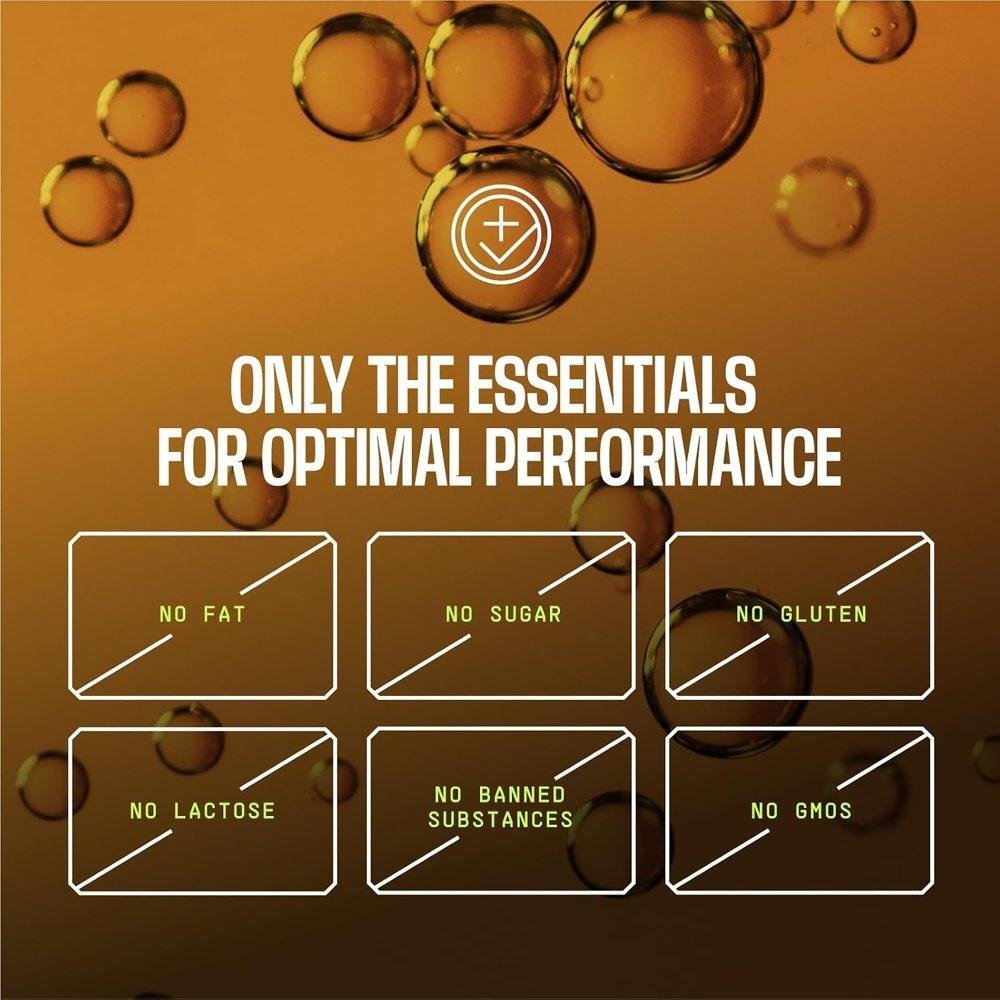
Brand claims from the manufacturer. Always verify on the label and look for third-party testing. Image: Frog Fuel.
Best electrolyte drink mix: [Product B]
[Sodium and potassium per serving, flavors, price per serving.] Check price
Best high-carb gel for long runs: [Product C]
[Carbs per gel, caffeine options, price per gel.] Check price
Not sure where to start? Try one gel and one electrolyte drink on your next long session. See top-rated options
Side effects and who should be careful
Too many gels or concentrated drinks can cause stomach upset. Too much sodium can raise blood pressure over time, and potassium products matter if you have kidney problems. People with diabetes should check how carbohydrate products affect their blood sugar. Talk to your doctor before using these products if you have a heart, kidney, or blood pressure condition, take medication, or are pregnant. Caffeinated products are not recommended for anyone under 18.
FAQ
Do I need electrolytes for a 30-minute workout?
Usually not. Water is enough for short sessions unless it is very hot.
How many energy gels should I take per hour?
Most people use 1 to 3 gels an hour for long efforts, depending on the carbs per gel and their carbohydrate target.
Can I take gels and electrolytes together?
Yes. Many athletes take gels with water and use an electrolyte drink or tablet for sodium.
Are caffeinated gels worth it?
They can help in the second half of a long effort, but watch your total caffeine for the day.
The bottom line
Match your fuel to the length of the session: water for short workouts, 30 to 60 g of carbs an hour and some sodium for long ones, and more only if you have practiced it. Choose products with clear labels and test them in training. Compare energy gels and electrolytes here
This article is for general information only and isn’t medical advice. Talk to your doctor or a registered dietitian before starting any supplement.
[affiamsh_amazon keyword="robot vacuum"]