
Affiliate Disclosure: This post contains affiliate links. As an Amazon Associate I earn from qualifying purchases. If you purchase through links in this article, we may earn a commission at no additional cost to you.
Choosing a whey protein powder can be confusing, especially when you see two popular options: whey protein isolate and whey protein concentrate. Both provide high-quality protein, but they differ in protein concentration, lactose content, fat, carbohydrates, processing, and price.
So, which one is better for your fitness goals?
In this guide, we’ll explain the differences between whey protein isolate and concentrate, compare their nutritional characteristics, and help you decide which type may be right for your needs.
What Is Whey Protein?
Whey protein is a milk-derived protein separated during the cheesemaking process. It contains all nine essential amino acids, making it a complete protein source.
Whey protein supplements are popular among athletes, gym enthusiasts, and people who want a convenient way to increase their daily protein intake.
Protein supports muscle growth and repair, and getting enough protein throughout the day is important for people who exercise regularly.
Two common forms of whey protein are:
- Whey protein concentrate (WPC): A less extensively filtered form that retains more of the naturally occurring lactose, fat, and other milk components.
- Whey protein isolate (WPI): A more extensively filtered form designed to provide a higher proportion of protein by weight, with less lactose and fat.
Whey Protein Isolate vs. Concentrate: Key Differences
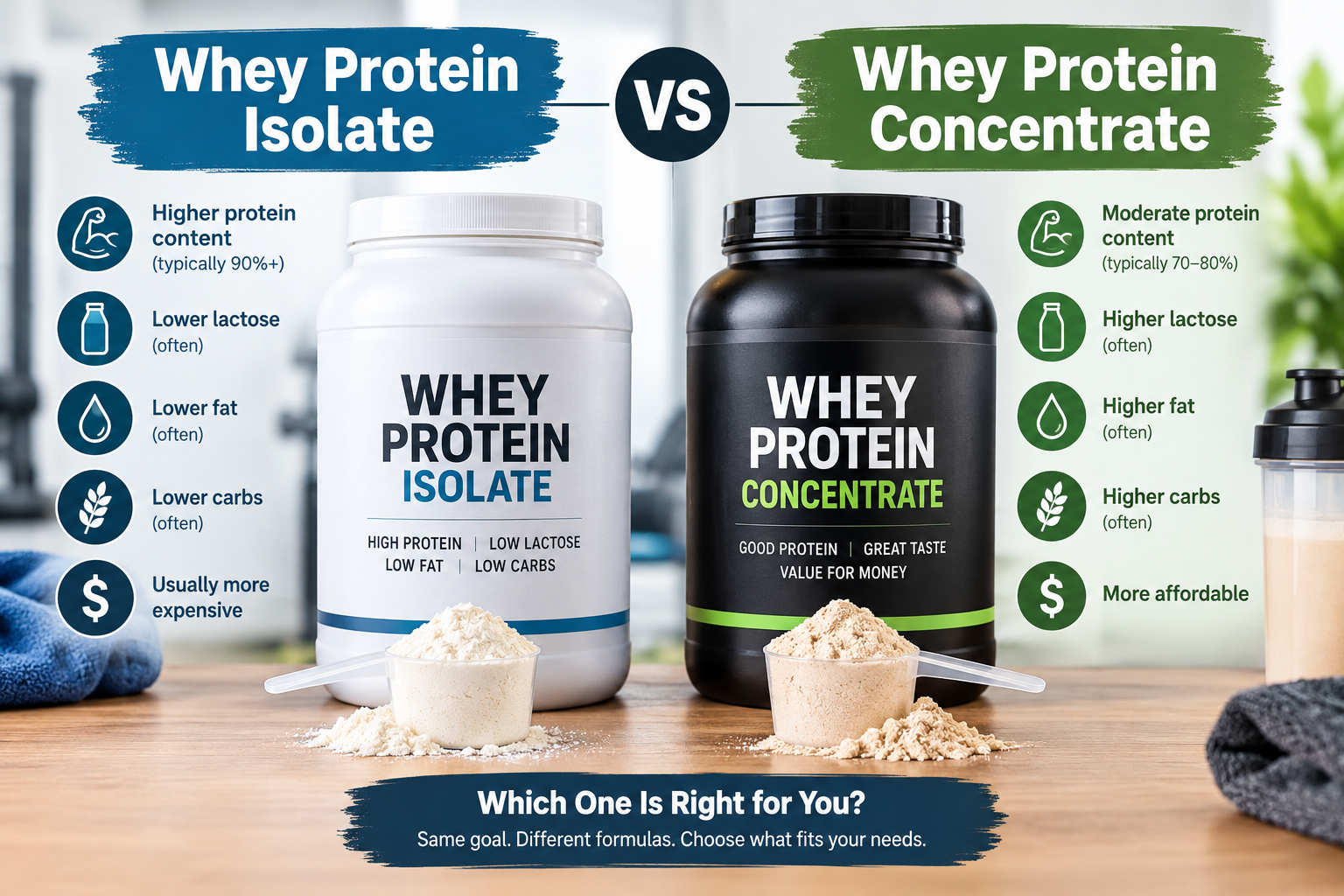
The biggest difference is how much protein each form typically contains relative to its total weight.
Whey protein concentrate commonly contains around 70–80% protein by weight, while whey protein isolate often contains approximately 90% or more. Exact values depend on the product and manufacturing process. Source: Australian Institute of Sport
Comparison Table
| Feature | Whey Protein Isolate | Whey Protein Concentrate |
|---|---|---|
| Protein concentration | Typically higher | Typically lower |
| Lactose | Usually lower | Usually higher |
| Fat | Usually lower | Usually higher |
| Carbohydrates | Usually lower | Usually higher |
| Price | Often more expensive | Often more affordable |
| Taste and texture | May taste lighter | May taste creamier |
| Best suited for | People prioritizing protein per serving and lower lactose | People seeking value and a versatile protein powder |
These are general differences. Always check the nutrition label of the specific product you are considering.
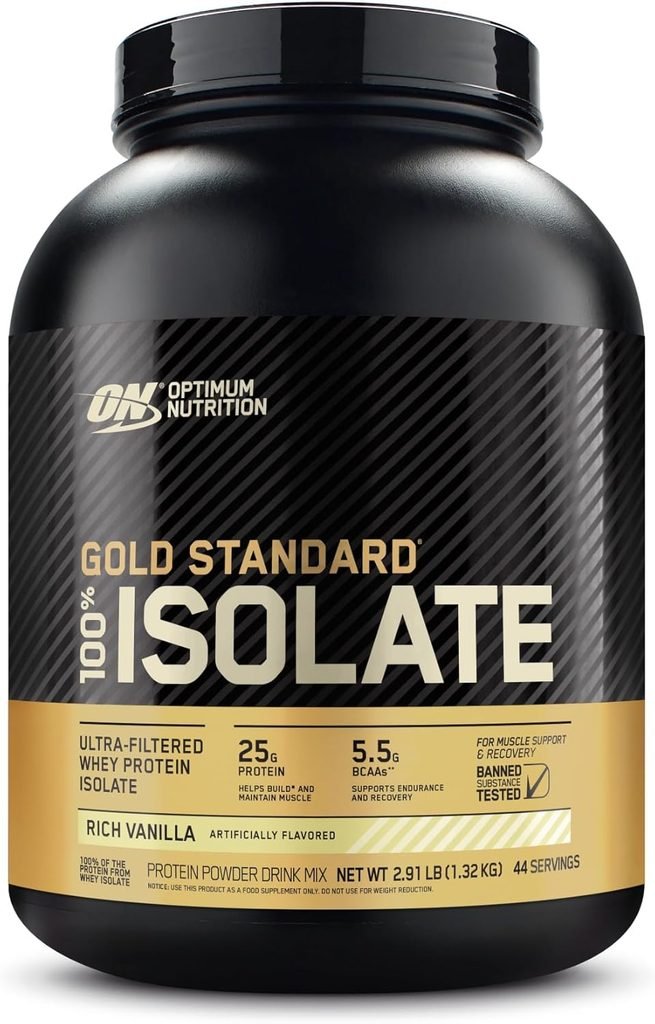
What Is Whey Protein Isolate?
Whey protein isolate undergoes additional filtration to remove more of the non-protein components found in whey.
The result is a protein powder with a higher protein percentage and typically less lactose, fat, and carbohydrate than concentrate.
Benefits of Whey Protein Isolate
1. More protein per gram of powder
Isolate can be useful if you want to maximize protein intake without consuming as much powder. Compare serving sizes and grams of protein on the label to make a fair comparison.
2. Usually less lactose
Because more lactose is removed during processing, isolate may be a more suitable option for some people with lactose intolerance. However, it is not necessarily lactose-free, and individual tolerance varies.
3. Typically lower in fat and carbohydrates
Isolate may suit people who prefer a protein powder with fewer calories from fat and carbohydrates. The actual calorie difference depends on the serving size and formulation.
4. Convenient for meeting protein goals
Like concentrate, isolate provides essential amino acids that support muscle repair and growth when combined with appropriate exercise and an overall balanced diet.
Potential Disadvantages of Whey Isolate
- It often costs more than concentrate.
- Some people prefer the creamier taste of concentrate.
- It is still a dairy-derived protein and is not suitable for people with a milk protein allergy.
What Is Whey Protein Concentrate?
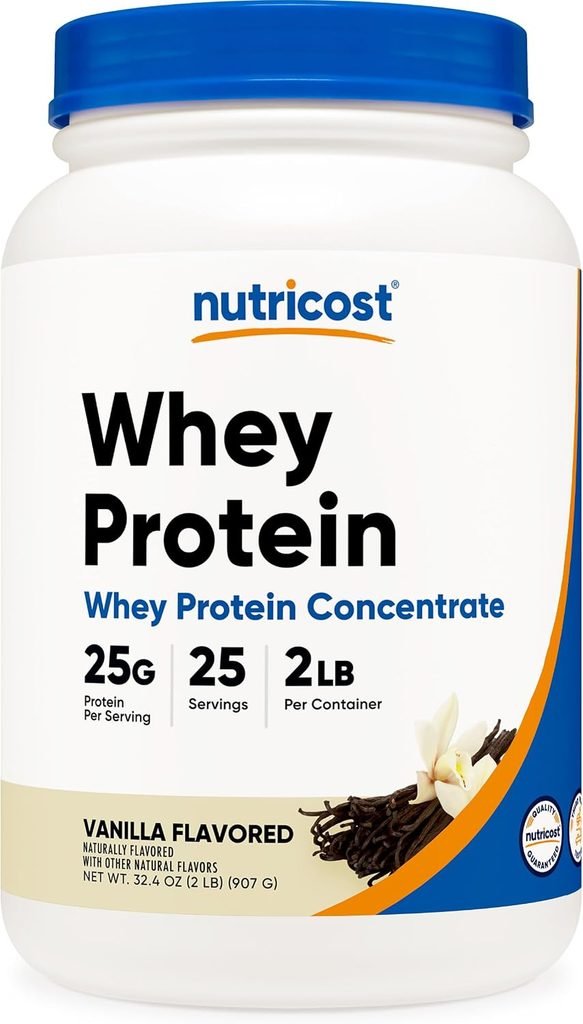
Whey protein concentrate is produced by filtering whey to increase its protein content while retaining more lactose, fat, and other components than isolate.
It is widely used in protein powders because it offers a convenient source of high-quality protein, often at a lower price.
Benefits of Whey Protein Concentrate
1. More budget-friendly
Concentrate is often a good choice if you want to supplement your diet without spending as much on protein powder.
2. Creamy taste and texture
Some users prefer concentrate because it can provide a richer mouthfeel in shakes and smoothies. Taste varies by brand and flavor.
3. A high-quality protein source
Concentrate provides essential amino acids, including branched-chain amino acids (BCAAs). It can support muscle recovery and muscle-building goals when your overall diet and training are appropriate.
4. Works in many recipes
You can mix concentrate into smoothies, oatmeal, yogurt, and homemade protein snacks.
Potential Disadvantages of Whey Concentrate
- It usually contains more lactose than isolate.
- It may contain slightly more fat and carbohydrates per serving.
- People with lactose intolerance may find it less comfortable to digest.
Which Has More Protein: Isolate or Concentrate?
Whey protein isolate generally contains more protein per gram of powder. However, the most useful comparison is the amount of protein in a typical serving of each product.
For example, imagine two products:
- Product A provides 25 grams of protein in a 30-gram serving.
- Product B provides 24 grams of protein in a 32-gram serving.
Product A has a slightly higher protein concentration, but both provide a similar amount of protein per serving.
These figures are illustrative examples, not the nutrition facts of specific products.
Tip: Compare protein per serving, calories, ingredients, and cost per gram of protein rather than relying on the word “isolate” alone.
Which Is Better for Weight Loss?
Neither whey protein isolate nor concentrate automatically causes weight loss.
Weight loss depends largely on maintaining an appropriate calorie deficit over time. Protein can help you meet your nutritional needs and may support fullness and the maintenance of lean muscle mass when combined with resistance training.
Whey isolate may be appealing if you want a higher protein concentration with less fat, carbohydrate, or lactose. Concentrate can also fit into a weight-loss plan if its calories and serving size suit your daily goals.
The best option is the one that helps you meet your protein needs while fitting your overall calorie intake, budget, and preferences.
Which Is Better for Building Muscle?
Both whey protein isolate and concentrate can support muscle growth.
The most important factors include your total daily protein intake, resistance-training program, calorie intake, sleep, and consistency. Research reviews indicate that adequate daily protein and exercise are central to supporting muscle adaptations. Read the International Society of Sports Nutrition position stand.
Choose isolate if you prefer a more concentrated protein source. Choose concentrate if you prefer a more affordable option. You do not necessarily need isolate to build muscle successfully.
Is Whey Isolate Better for Lactose Intolerance?
Whey protein isolate usually contains less lactose than whey protein concentrate, so some people with lactose intolerance tolerate it better.
However, the amount of lactose varies between products, and isolate is not guaranteed to be lactose-free.
Keep in mind that lactose intolerance and milk protein allergy are different conditions. People with a milk protein allergy should not assume that whey isolate is safe, because it still contains milk proteins.
If you have significant symptoms or a diagnosed allergy, consult a qualified healthcare professional before choosing a supplement.
How to Choose the Right Whey Protein Powder
Before buying a protein powder, consider these factors:
1. Check the nutrition label
Compare protein, calories, carbohydrates, fat, and lactose information when available. Serving sizes differ, so check the amount of protein per serving and per gram of powder.
2. Consider your budget
Concentrate is often less expensive. Isolate may cost more because it undergoes additional processing. Compare the price per gram of protein rather than just the price of the container.
3. Think about your dietary needs
If you are sensitive to lactose, isolate may be worth considering. If you have a milk protein allergy, neither standard whey isolate nor concentrate is appropriate.
4. Choose a flavor you enjoy
A protein powder is more useful if you enjoy drinking it. Check product reviews, ingredients, and serving sizes before ordering.
5. Review the full ingredient list
Look at sweeteners, flavorings, allergens, and any additional ingredients. If you compete in sports, consider products with credible independent testing for prohibited substances.
Frequently Asked Questions
Is whey isolate better than concentrate?
Not for everyone. Isolate usually contains more protein per gram of powder and less lactose and fat. Concentrate is often more affordable, and both can provide high-quality protein.
Does whey isolate build more muscle?
Not necessarily. Both forms provide essential amino acids. Total daily protein intake, resistance training, and overall nutrition are more important than choosing isolate over concentrate alone.
Is whey concentrate good for beginners?
Yes. Concentrate can be a practical, budget-friendly option for beginners who tolerate dairy and want a convenient way to increase protein intake.
Can I take whey protein every day?
Many healthy adults can include whey protein as part of a balanced diet. It is a supplement rather than a requirement, and it should complement—not replace—a varied diet. People with medical conditions that affect protein needs should seek individualized advice.
Which whey protein is best for lactose intolerance?
Isolate typically contains less lactose than concentrate, but the amount varies by product. Check the label and consult a healthcare professional if you are unsure what is appropriate for you.
Final Verdict: Whey Protein Isolate vs. Concentrate
Whey protein isolate and whey protein concentrate are both useful sources of high-quality protein. The right choice depends on your nutritional priorities, digestive tolerance, taste preferences, and budget.
- Choose whey protein isolate if you want a higher protein concentration and typically lower lactose, fat, and carbohydrate content.
- Choose whey protein concentrate if you want a more affordable protein powder and tolerate its lactose content.
Ultimately, the best whey protein is one that fits your needs, helps you meet your daily protein goals, and works with your overall diet and exercise routine.
Before purchasing, compare the nutrition label, ingredients, serving size, and cost per gram of protein to make an informed decision.